
In the ever-evolving world of online commerce, businesses today face both massive opportunities and unprecedented challenges. Whether you’re running a subscription-based e-commerce site, a forex trading platform, or a nutraceutical company, the way you process payments can determine your success—or downfall.
Welcome to the world of high-risk merchant account—a lifeline for businesses navigating industries that traditional payment providers often shy away from.
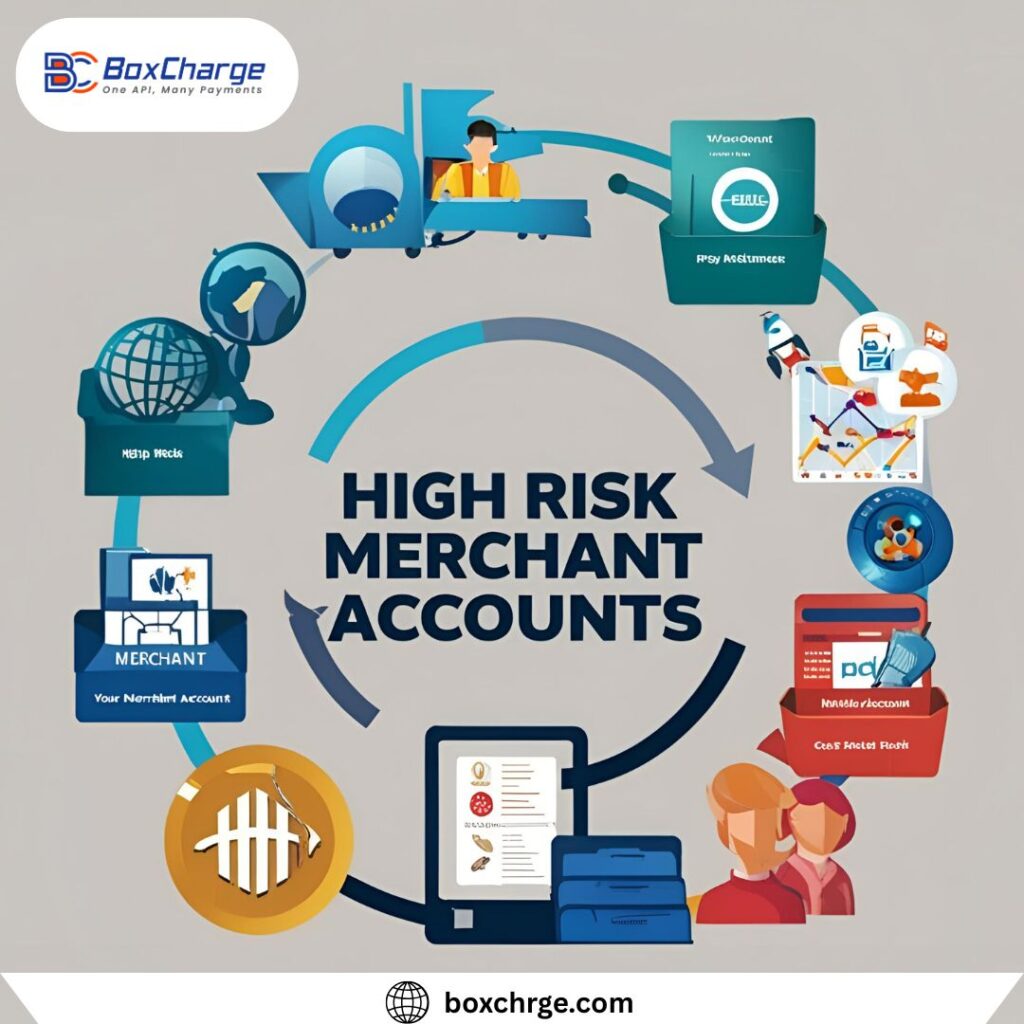
Note : If you’re unfamiliar with what a high-risk merchant account is, Investopedia provides a clear explanation that outlines the concept and why it’s critical for certain business types.
What Is a High-Risk Merchant Account?
A high-risk merchant account is a type of payment processing solution designed for businesses considered “high-risk” by banks and financial institutions. This could be due to factors like high chargeback ratios, regulatory scrutiny, recurring billing models, or the nature of the products/services sold.
Industries typically requiring high-risk processing include:
- Forex and crypto trading
- Adult entertainment
- Online gambling and betting
- Subscription-based e-commerce
- Online dating platforms
- Telemedicine and nutraceuticals
- CBD and vape products
Why Are They Crucial in 2025?
1. Surge in Digital Commerce & Subscription Models
Digital-first brands are booming, especially those using recurring billing or subscription models. However, these models often lead to higher chargebacks—raising red flags with traditional acquirers. A high-risk account helps you manage this while ensuring smooth payment flow.
2. Cross-Border Expansion
The internet has no borders—but banks do. If you’re accepting multi-currency payments, dealing with offshore clients, or operating globally, many providers will classify you as high-risk. A specialized merchant account supports international payment processing seamlessly.
3. Fraud & Chargeback Management
High-risk processors offer better tools to fight fraud and chargebacks, including real-time fraud filters, risk monitoring dashboards, and dispute resolution systems. This reduces financial exposure and protects your brand.
4. Flexible Banking Partnerships
Many high-risk providers have access to offshore acquiring banks, giving businesses flexibility in payment routing and global settlement—something low-risk accounts rarely offer.
5. Regulatory Readiness
Industries like crypto, gambling, or nutraceuticals face ever-changing compliance requirements. High-risk merchant providers stay updated with KYC, AML, and PCI-DSS standards, ensuring your business remains compliant.
What Happens If You Don’t Use a High-Risk Account?
Choosing a regular payment processor for a high-risk business is like running a marathon in flip-flops—risky, unstable, and ultimately unsustainable. It may work for a while, but once the chargebacks or volume spike, your account is likely to be frozen or terminated, leaving you with lost revenue and unhappy customers.
How to Choose the Right Provider
Look for a partner who understands your niche and offers:
- Fast approvals (ideally within 24–48 hours)
- Integration with popular platforms (Shopify, WooCommerce, etc.)
- Real-time reporting and risk control
- 24/7 support tailored to high-risk industries
- Transparent fees without surprise charges
Conclusion: Go High-Risk the Smart Way
In 2025, the digital world belongs to the bold—and that includes how you handle payments. Whether you’re scaling a crypto wallet platform or launching an international e-commerce brand, having a high-risk merchant account isn’t just helpful—it’s essential.
Ready to safeguard your transactions, reduce chargebacks, and grow confidently across borders?
👉 Choose a trusted partner like BoxCharge—a global leader in high-risk payment solutions for forward-thinking businesses.