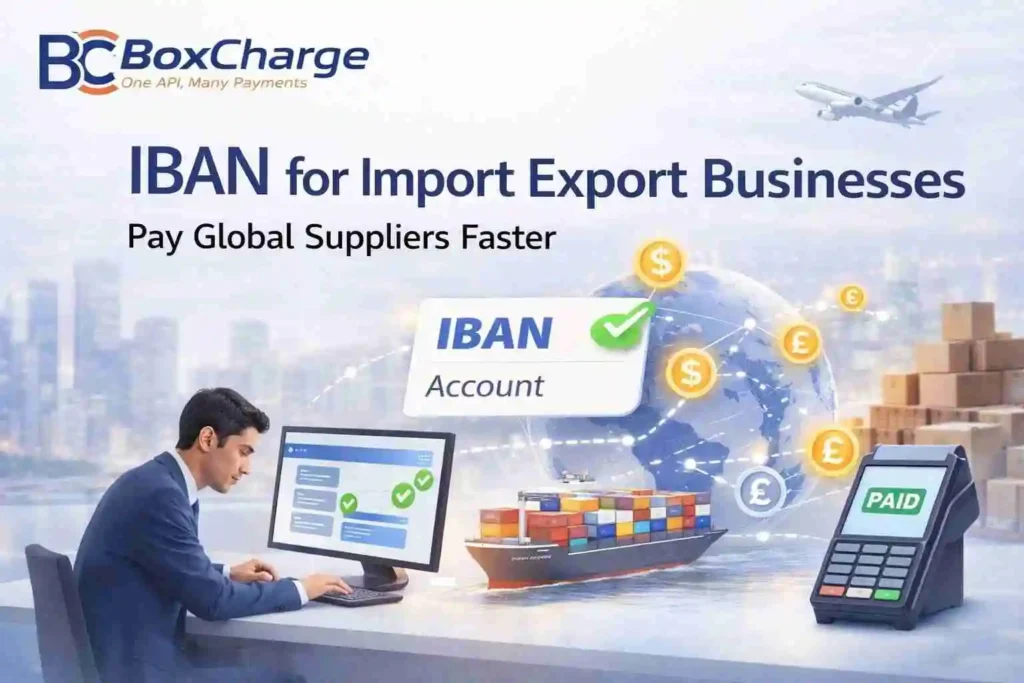
Stop Overpaying for International Transfers: How IBAN Accounts Help Import-Export Businesses Pay Global Suppliers Efficiently
International trade moves fast—but payments often don’t. For many import-export businesses, sending money to overseas suppliers is still expensive, slow, and complicated. Hidden banking fees, currency conversion losses, and compliance checks can eat into already tight margins. This is where IBAN accounts for international business are changing the game. Today, many global merchants—especially those considered high-risk businesses—are switching to international IBAN accounts to reduce transfer costs, speed up payments, and simplify cross-border transactions. If you’re running an import-export operation and constantly losing money to bank fees and delayed payments, understanding how IBAN-based international payments work can save your business thousands every year. Why International Supplier Payments Are Still a Huge Problem Despite technological advancements in global finance, traditional international banking systems still rely heavily on intermediary networks. When a company sends money overseas through a standard bank transfer, the payment often travels through multiple correspondent banks before reaching the final account. Each step introduces: For an import-export business sending international payments, these layers create unnecessary friction. Many merchants only realize the full cost after the transfer completes. A $50,000 supplier payment might be lost: For businesses making frequent payments to overseas manufacturers or distributors, those losses accumulate quickly. This is one reason why companies are increasingly adopting IBAN payment systems for international trade. What Is an IBAN and Why Does It Matter in Global Trade An IBAN (International Bank Account Number) is a standardized banking format used across many financial systems to identify accounts for cross-border payments. Instead of routing money through unclear intermediary networks, IBAN international transfers provide a structured way for banks to process payments more accurately and efficiently. For companies involved in global trade, using an international IBAN account provides several advantages: In simple terms, IBAN helps businesses move money globally with fewer complications. How Import-Export Companies Lose Money Without an IBAN Many businesses rely on traditional banking wires without realizing how inefficient the system is. Here are some common ways import-export merchants lose money during international supplier payments. 1: Hidden Currency Conversion Costs Banks rarely offer the mid-market exchange rate. Instead, they apply a markup that may range between 1–4% per transaction. For companies regularly paying overseas suppliers, these currency spreads quietly drain profits. Using IBAN-based international payment accounts can help businesses access more transparent foreign exchange pricing. 2: Intermediary Bank Charges When a transfer passes through multiple banks, each institution may charge handling fees. This means the supplier often receives less than the original payment amount, forcing exporters to send additional funds. With international IBAN payment processing, many transactions follow more direct banking routes. 3: Delayed Supplier Payments Manufacturers and suppliers expect timely payments. When funds take several days to arrive, businesses risk: Using the IBAN cross-border payment infrastructure helps streamline the payment path and reduce delays. Why High-Risk Businesses Face Even Bigger Payment Problems For companies operating in high-risk industries, the situation is even more complicated. Traditional banks often hesitate to work with businesses that have higher chargeback risks or regulatory exposure. Industries that frequently experience banking friction include: Many of these companies rely heavily on international supplier payments, whether for technology infrastructure, affiliate partners, or logistics providers. Without access to flexible financial infrastructure, they encounter problems like: Because of these challenges, many high-risk merchants prefer international IBAN solutions for global payments. Real-World Scenario: Import-Export Payment Friction Consider a mid-size electronics importer sourcing products from multiple suppliers across Europe and Asia. The company sends payments every week to manufacturers and logistics providers. Initially, they relied on standard international bank wires. Over time, they noticed several problems: The finance team eventually switched to an international IBAN payment account designed for global merchants. Within months, the business experienced: For companies dealing with large supplier payments, these improvements directly impact profitability. Benefits of Using IBAN Accounts for Import-Export Payments Businesses that adopt IBAN accounts for international trade typically see improvements in several areas. 1: Lower Cross-Border Payment Costs IBAN-based transfers often involve fewer intermediaries. This helps businesses reduce: For companies sending frequent international payments, even small savings add up quickly. 2: Faster Payment Settlements Many international IBAN transfers settle faster than traditional wires, helping merchants maintain reliable supplier relationships. Speed matters in global trade. When payments arrive quickly, suppliers process orders faster. 3: Better Financial Transparency Payment tracking becomes easier with structured international banking identifiers like IBAN. Finance teams can trace transaction paths and confirm delivery more efficiently. This reduces the operational burden of managing multiple overseas payments. 4: Simplified Global Banking Companies operating across multiple markets benefit from multi-currency IBAN accounts, allowing them to: For growing import-export companies, this flexibility is critical. Why Import-Export Businesses Are Moving Toward Fintech Payment Infrastructure Traditional banks were designed for domestic banking systems. Global commerce, however, now demands faster, more flexible financial tools. Modern fintech platforms provide: These solutions help businesses navigate the complexities of global payments more effectively. For companies working with international suppliers, fintech banking models are increasingly replacing conventional banking systems. Key Things Businesses Should Look for in an IBAN Payment Solution Not all IBAN services offer the same benefits. Import-export businesses should evaluate several factors before choosing a provider. 1: Multi-Currency Support Companies paying suppliers in different countries need multi-currency IBAN accounts to avoid constant conversions. 2: Global Payment Coverage The best international payment platforms for businesses support a wide range of global payment corridors. This ensures businesses can send funds to suppliers across different markets without restrictions. 3: Compliance and Security Cross-border payments involve strict regulatory requirements. Businesses should ensure their IBAN payment provider follows strong compliance and anti-fraud standards. 4: Transparent Pricing Hidden fees are one of the biggest problems in international banking. Reliable providers offer clear transaction pricing for global payments. The Future of International Payments for Import-Export Businesses Global trade is expanding rapidly, and payment infrastructure must evolve with it. Businesses are moving away from slow, expensive banking systems and toward digital international banking solutions. In the coming years, we will likely see: For import-export companies, adapting to these changes will