High-Risk Payment Processing

how banks review casino payment processing based on transaction behavior, disputes, and growth patterns
High-Risk Payment Processing

Casino Payment Processing: What Triggers Bank Scrutiny First?

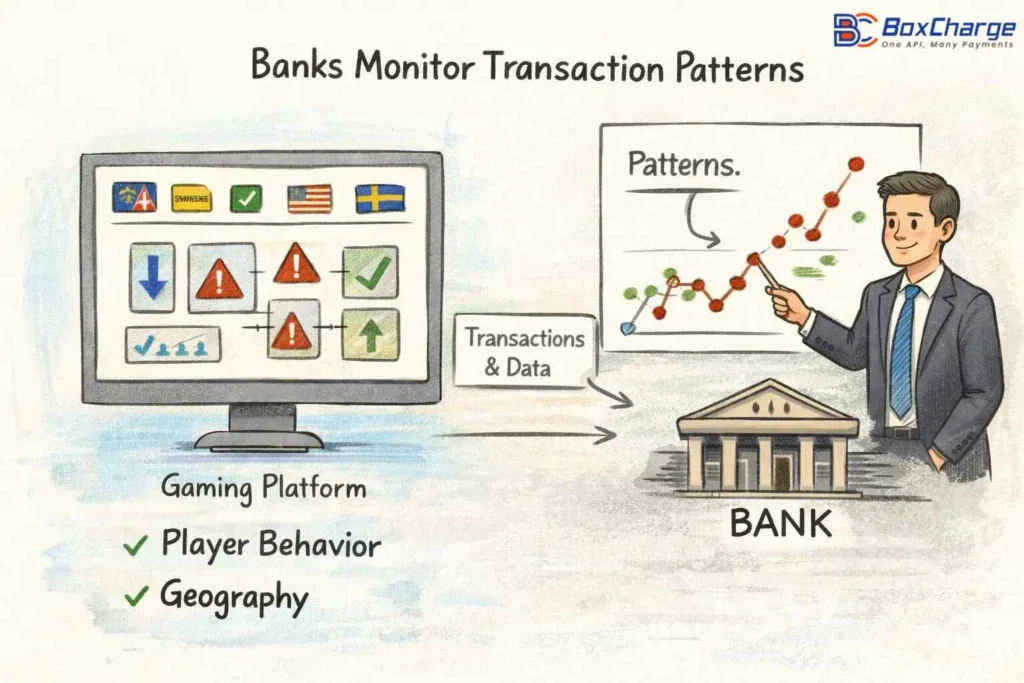
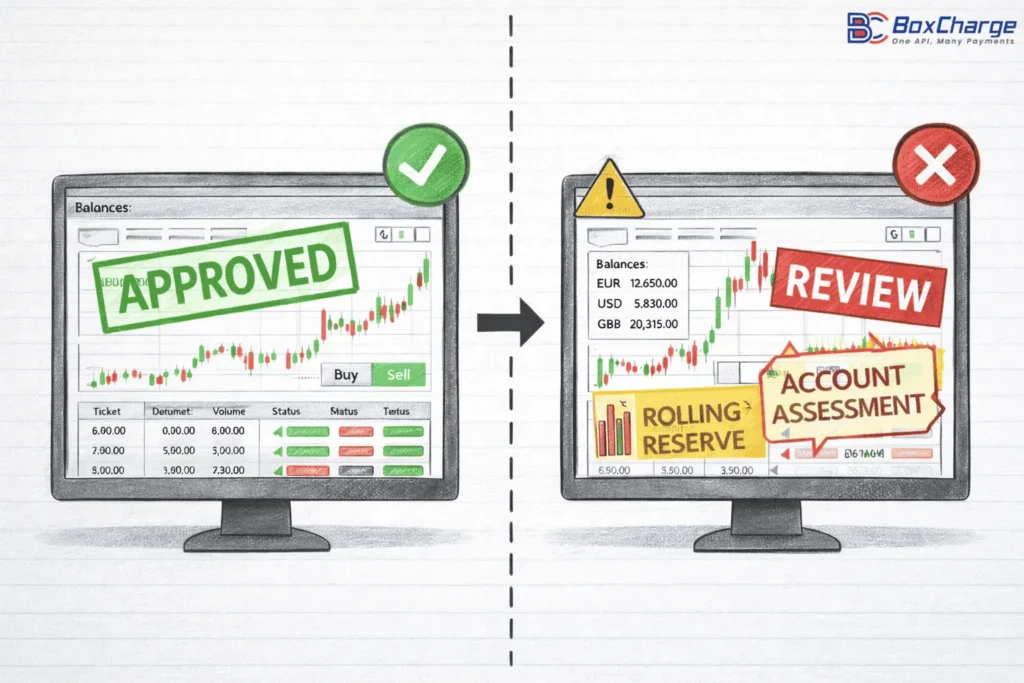
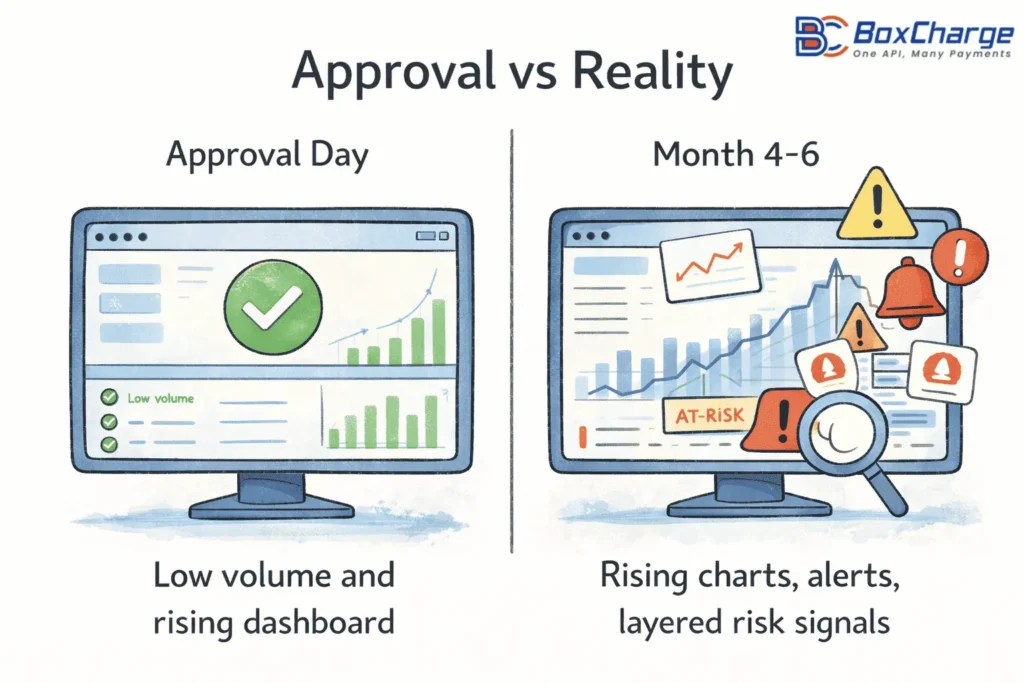
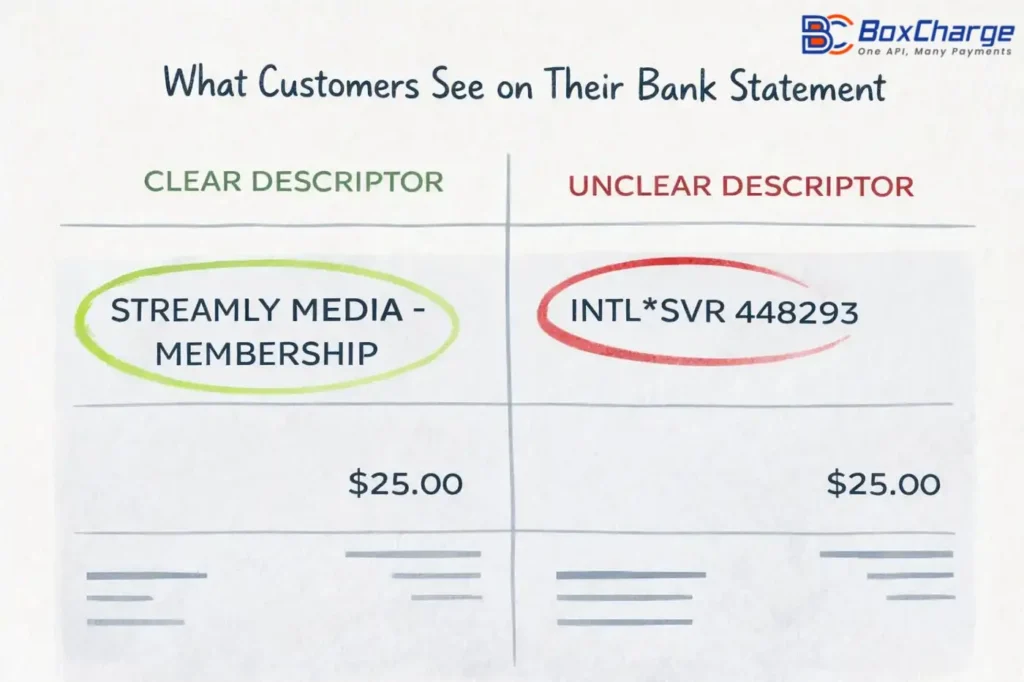
In online casinos, payment processing rarely fails due to a single dramatic event.More often, it slows down quietly — approvals turn into reviews, settlements get delayed, and reserves appear without warning. For many operators, the surprise isn’t that scrutiny happens.It’s when it happens. In 2026, casino payment processing is evaluated continuously, not just at onboarding. Approval is no longer the finish line. It’s the beginning of a monitoring phase where banks and card networks reassess risk based on real transaction behavior. This article explains what typically triggers bank scrutiny first, why even compliant casinos get reviewed, and how experienced operators structure online casino payment processing to remain stable as volume grows. It’s important to note that specific monitoring thresholds and review triggers vary by acquiring bank, region, and card network. The patterns discussed below reflect common industry observations across casino merchant services, not fixed rules or guarantees. How Bank Risk Models for Casinos Have Changed Historically, underwriting for casino merchant services focused heavily on documentation, licensing, and projected volumes. Once approved, many operators scaled quickly until chargebacks crossed visible thresholds. That model no longer applies. Today, banks treat online casino payment processing as a living risk profile. Automated systems continuously analyze how players deposit, dispute, withdraw, and transact across borders. When behavior changes faster than expected, scrutiny increases — even if nothing illegal has occurred. This shift explains why many digital gaming merchant accounts face reviews within the first 30 to 90 days of going live. What Banks Tend to Evaluate First (Beyond Chargebacks) Most casino operators assume reviews start when chargeback ratios rise. In practice, earlier signals appear long before ratios become an issue. Below are some of the earliest and most common signals banks tend to evaluate in casino transaction processing environments. Deposit and Withdrawal Velocity One of the fastest ways to attract attention is when deposits and withdrawals stop following a predictable rhythm. Common review signals include: From a risk perspective, this creates uncertainty around fund flow. Banks are not assessing whether players are winning — they are assessing whether transaction behavior remains predictable. This is a core element of gaming payment risk management, especially in high-volume environments. Geographic Shifts in Player Activity Cross-border growth is expected in online gaming.Unstructured cross-border growth is not. Banks closely monitor: Even when markets are legally accessible, unexpected geographic exposure often triggers a compliance review. This is a common challenge in international casino payment processing. Operators that scale smoothly usually pair growth with region-aware routing and clear market declarations. Dispute Patterns and Timing (Not Just Ratios) Chargeback ratios remain important — but they are no longer the earliest warning signal. Banks now pay close attention to how disputes appear over time, especially clustering behavior. For example: From a bank’s perspective, the goal isn’t to catch wrongdoing.It’s to determine whether future transaction behavior is predictable. This is why casino payment fraud prevention must address dispute velocity, not only end-of-month ratios. Promotional Activity That Alters Transaction Behavior Bonus campaigns and promotions are legitimate growth tools — but they frequently distort payment behavior. Banks often review accounts when they observe: When transaction behavior deviates sharply from historical patterns, automated systems flag the change. This happens even when marketing campaigns are successful. In 2026, payment processing for online gaming accounts must be coordinated with promotional strategy — not treated as a separate function. Billing Descriptors and Player Recognition Descriptor clarity remains one of the most underestimated risk factors in casino transaction processing. Issues arise when: When players don’t immediately recognize a charge, disputes follow. Banks interpret this not as player confusion, but as merchant-side clarity risk. Strong casino merchant services prioritize descriptor strategy as part of payment stability — not as an afterthought. Licensing and Its Impact on Bank Confidence Licensing does not guarantee uninterrupted processing.But it does shape how banks interpret risk. Jurisdictions with Faster Entry Examples include Curacao, Anjouan, and Kahnawà:ke. Advantages Considerations Jurisdictions with Stricter Oversight Examples include Malta (MGA), the UK, and the Isle of Man. Advantages Considerations Licensing alone does not eliminate payment risk. In practice, banks evaluate licensing strength alongside real-time transaction behavior, payout patterns, and dispute signals. Why Generic Processors Often Fail Casino Operators Many payment providers support gaming in theory — but struggle in practice. The issue is structural, not malicious. Generic processors often rely on: Casino payment processing requires adaptive monitoring, behavioral analysis, and region-aware logic. Without these, reviews become frequent and disruptive. This is why many operators migrate toward specialized online gaming payment solutions as volume grows. What Stable Casino Payment Processing Looks Like Accounts that remain operational over time tend to share common characteristics: The goal isn’t zero risk.It’s a controlled, predictable risk. That’s the foundation of sustainable digital gaming merchant accounts. When Scrutiny Is a Signal — Not a Failure Increased monitoring does not always indicate a problem. Banks often increase scrutiny when: Operators who understand this respond by tightening the structure. Those who don’t often experience sudden reserves or settlement delays. Who This Approach Works Best For This payment strategy suits: It is less suitable for: Final Thought Bank scrutiny in casino payment processing is inevitable.Frozen funds are not. Operators who align transaction behavior with bank expectations early transform scrutiny from a threat into a checkpoint — one that signals readiness for scale rather than instability. If your payment structure is built to withstand review, growth becomes a strength, not a trigger.

Casino Payment Processing: What Triggers Bank Scrutiny First? Read Post »
How player behavior impacts gaming merchant account risk and payment stability
High-Risk Payment Processing

Gaming Merchant Accounts: Why Player Behavior Matters More Than Volume

Built for gaming platforms that prioritize stability, compliance, and long-term account survivability. Modern gaming platforms don’t fail because of volume. They fail because their payment infrastructure for gaming platforms wasn’t designed to survive growth. For gaming operators, payment processing often looks deceptively simple at first. Players deposit, games run, payouts settle, and volume grows. Everything appears healthy — until one day it doesn’t. Merchant accounts freeze. Reserves spike. Acquirers request “additional information.” In some cases, processing stops entirely with little warning. What many operators learn too late is this:Gaming merchant accounts rarely fail because of volume alone.They fail because of player behavior patterns that conflict with how banks assess risk. This article explains why gaming payment processing stability depends less on how much you process — and far more on how transactions behave over time. Who This Is For This article is written for gaming businesses that operate with scale, complexity, and long-term intent — not short-term experiments. Specifically, it applies to: By focusing on how businesses operate, rather than buzzwords like “casino” or “iGaming,” this approach mirrors how banks actually underwrite gaming merchant accounts. The Real Problem: Why Accounts Fail After Approval Most gaming merchant accounts don’t fail at onboarding. They fail after growth begins. That’s because approvals don’t break — risk models evolve. Banks don’t review accounts once and forget about them. They continuously reassess transaction data using automated systems designed to detect changing risk profiles. Three truths operators often underestimate: A platform can stay published with chargeback thresholds and still face restrictions if transaction behavior shifts unexpectedly. Why Player Behavior Matters More Than Volume Platforms expanding into multiple jurisdictions often struggle with cross-border acquiring for gaming platforms, especially when domestic processors apply static risk rules. From a bank’s perspective, volume is neutral.Behavior is not. Banks evaluate gaming transactions using pattern-based monitoring, including: A steady €500,000 monthly volume with predictable behavior is often considered safer than a sudden €100,000 spike with erratic activity. How Banks Interpret Behavior Banks don’t judge intent — they judge signals. Metric Considered “Stable” Considered “Risky” Volume Growth 10–15% MoM increase 300% spike in 48 hours Ticket Size Consistent with gameplay Sudden high-value deposits Geography Licensed regions Rapid expansion into gray markets Activity Timing Even distribution Clustered late-night bursts This is why operators often feel “punished for growing.”In reality, they’re being flagged for unstructured growth. Dispute Velocity: The Metric Most Operators Miss Important:Most operators don’t realize how banks assess gaming transaction behavior once volume patterns begin to shift. Most operators monitor their chargeback ratio (total disputes ÷ total transactions). Banks monitor dispute velocity — how many disputes hit within a short time window. A sudden cluster of 8–10 disputes in 24 hours can trigger a settlement freeze faster than a 1% ratio spread over an entire month. This is why many gaming merchant accounts are shut down even when headline metrics appear “within limits.” Dispute velocity is one of the most common reasons stable-looking gaming businesses face sudden reviews. How BoxCharge Solves This Problem BoxCharge (high-risk payment gateway solutions provider) doesn’t sell shortcuts.It designs payment structures that align with bank expectations from day one. Rather than focusing on tools or buzzwords, the approach centers on predictability and reliability. Key Principles How Dispute Velocity Is Managed Without revealing proprietary systems, BoxCharge focuses on: The goal isn’t to eliminate risk.It’s to make risk predictable. Payment Infrastructure Overview Stable platforms often rely on multi-MID payment structures and alternative payment rails to prevent sudden volume pressure on a single acquiring channel. Gaming payment infrastructure should never be one-size-fits-all. BoxCharge structures systems as modular components, allowing flexibility as the business evolves. Infrastructure Components This modular design allows operators to adapt without forcing volume through a single fragile channel. Why Generic Processors Fail Gaming Merchants Many low-risk processors don’t fail because they’re bad actors.They fail because they’re structurally mismatched for gaming risk. Common Gaps Gaming businesses require processors designed for complexity, not just transaction count. Risk, Compliance & Long-Term Stability A high-risk merchant account does not mean unmanaged. BoxCharge operates within PCI-DSS-aligned environments, AML frameworks, and KYC protocols designed for regulated industries. Key stability pillars include: The objective is controlled exposure — not unrealistic promises. Frequently Asked Questions 1: How long does approval take for a gaming merchant account? Approval timelines vary by structure, geography, and risk profile. Most reviews are completed within a realistic underwriting window rather than instant approval claims. 2: Will reserves be required? In most gaming models, yes. The focus is transparency — setting expectations early and structuring reserves predictably. 3: What happens if volume spikes suddenly? Unstructured spikes can trigger reviews. Structured growth plans significantly reduce disruption. Yes, volume spikes are manageable when supported by real-time dispute pattern tracking and controlled international payment routing for gaming. 4: Is international traffic supported? Yes. Through cross-border acquiring, BoxCharge supports regulated regions with aligned settlement structures. 5: What if the card pressure increases? Alternative payment methods and routing adjustments can rebalance exposure without shutting down operations. When This Solution Makes Sense This structure works best for: It may not suit: Selective honesty builds stronger partnerships — with both merchants and banks. Final Thought & CTA Gaming payment stability isn’t about finding a processor that says “yes.”It’s about building a structure that stays alive when scrutiny increases. In just a few minutes, we’ll identify the three biggest risk triggers in your current payment flow — before they turn into freezes or reviews. Request a risk review. Evaluate your payment readiness.Discuss a scalable payment setup.

Gaming Merchant Accounts: Why Player Behavior Matters More Than Volume Read Post »

Scroll to Top