Our Blogs

How player behavior impacts gaming merchant account risk and payment stability
High-Risk Payment Processing

Gaming Merchant Accounts: Why Player Behavior Matters More Than Volume

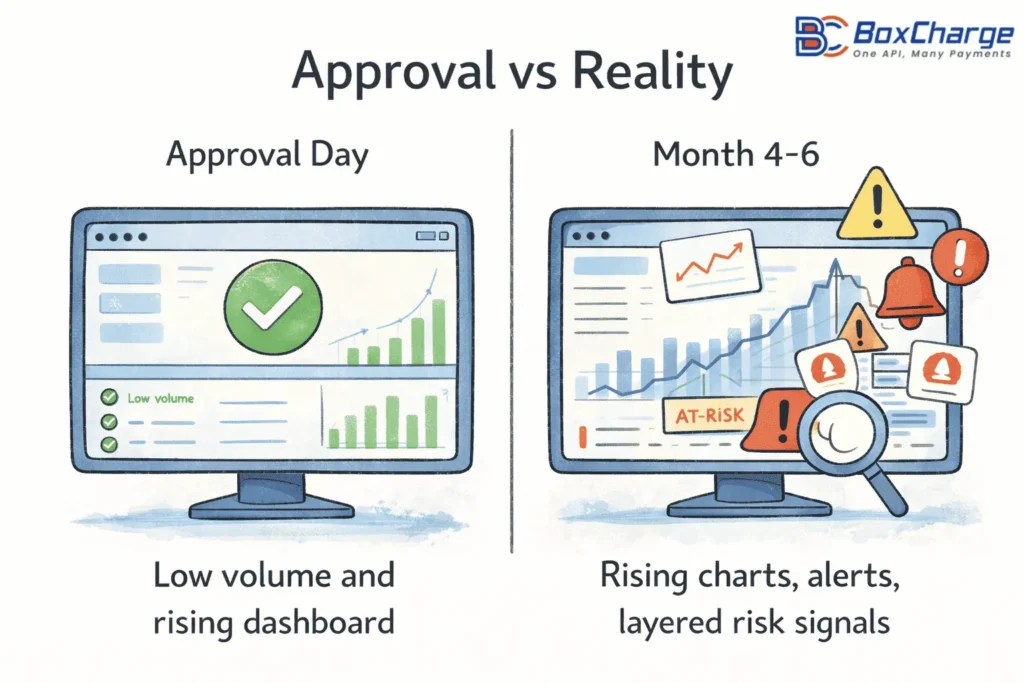
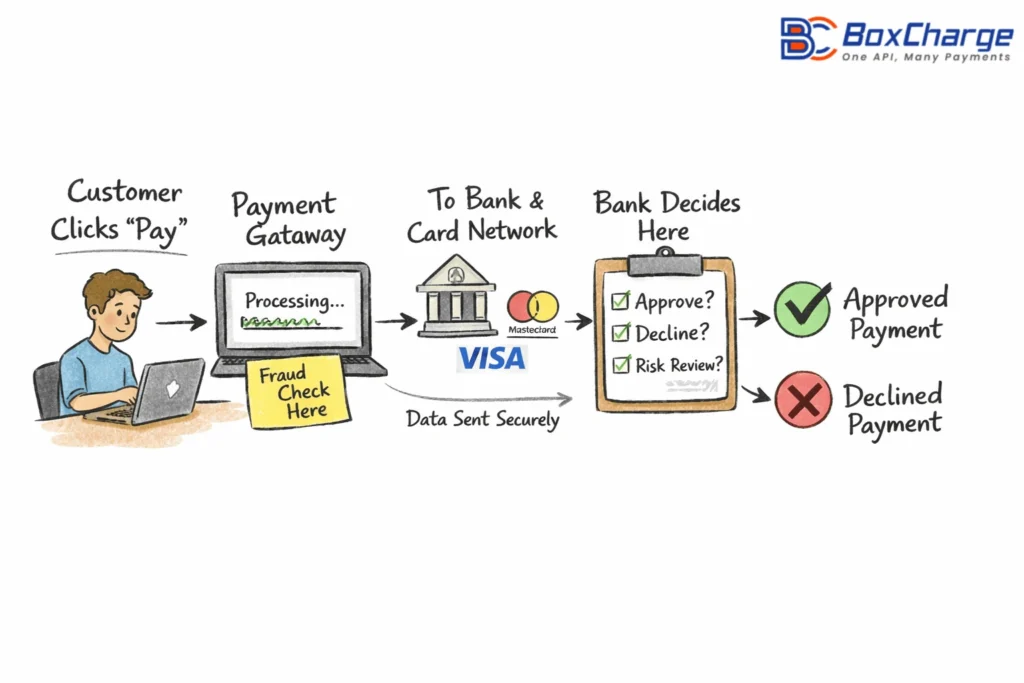
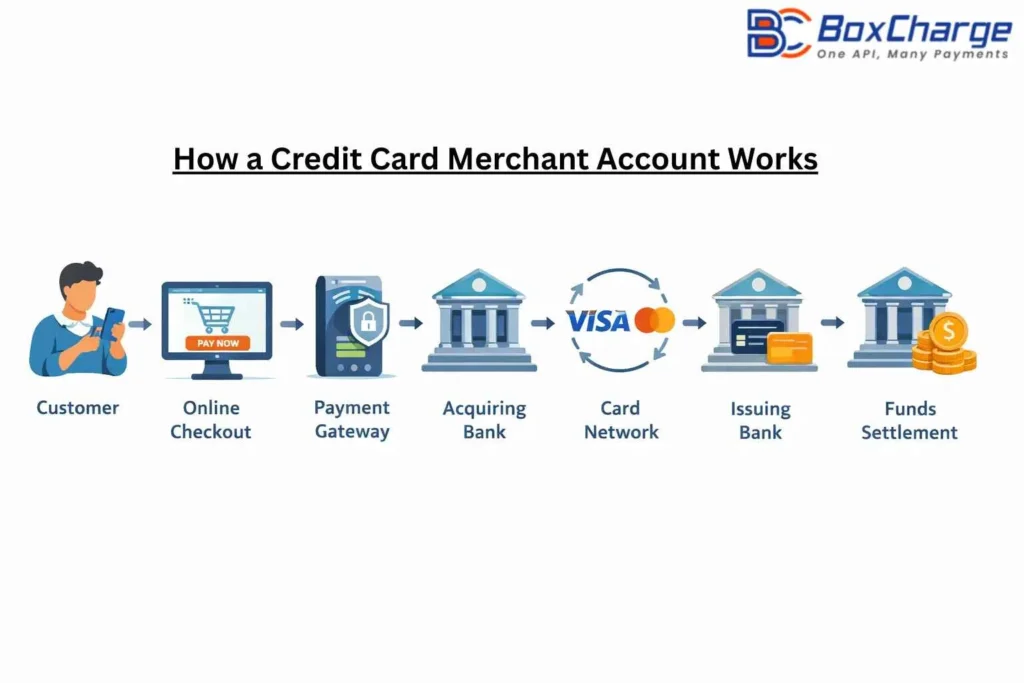
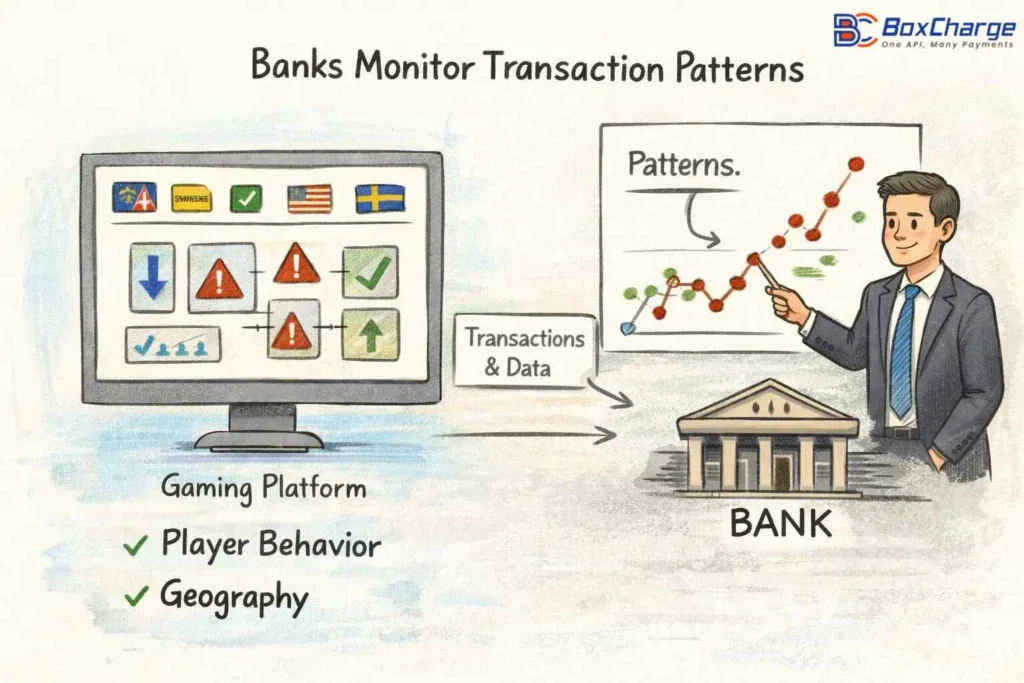
Built for gaming platforms that prioritize stability, compliance, and long-term account survivability. Modern gaming platforms don’t fail because of volume. They fail because their payment infrastructure for gaming platforms wasn’t designed to survive growth. For gaming operators, payment processing often looks deceptively simple at first. Players deposit, games run, payouts settle, and volume grows. Everything appears healthy — until one day it doesn’t. Merchant accounts freeze. Reserves spike. Acquirers request “additional information.” In some cases, processing stops entirely with little warning. What many operators learn too late is this:Gaming merchant accounts rarely fail because of volume alone.They fail because of player behavior patterns that conflict with how banks assess risk. This article explains why gaming payment processing stability depends less on how much you process — and far more on how transactions behave over time. Who This Is For This article is written for gaming businesses that operate with scale, complexity, and long-term intent — not short-term experiments. Specifically, it applies to: By focusing on how businesses operate, rather than buzzwords like “casino” or “iGaming,” this approach mirrors how banks actually underwrite gaming merchant accounts. The Real Problem: Why Accounts Fail After Approval Most gaming merchant accounts don’t fail at onboarding. They fail after growth begins. That’s because approvals don’t break — risk models evolve. Banks don’t review accounts once and forget about them. They continuously reassess transaction data using automated systems designed to detect changing risk profiles. Three truths operators often underestimate: A platform can stay published with chargeback thresholds and still face restrictions if transaction behavior shifts unexpectedly. Why Player Behavior Matters More Than Volume Platforms expanding into multiple jurisdictions often struggle with cross-border acquiring for gaming platforms, especially when domestic processors apply static risk rules. From a bank’s perspective, volume is neutral.Behavior is not. Banks evaluate gaming transactions using pattern-based monitoring, including: A steady €500,000 monthly volume with predictable behavior is often considered safer than a sudden €100,000 spike with erratic activity. How Banks Interpret Behavior Banks don’t judge intent — they judge signals. Metric Considered “Stable” Considered “Risky” Volume Growth 10–15% MoM increase 300% spike in 48 hours Ticket Size Consistent with gameplay Sudden high-value deposits Geography Licensed regions Rapid expansion into gray markets Activity Timing Even distribution Clustered late-night bursts This is why operators often feel “punished for growing.”In reality, they’re being flagged for unstructured growth. Dispute Velocity: The Metric Most Operators Miss Important:Most operators don’t realize how banks assess gaming transaction behavior once volume patterns begin to shift. Most operators monitor their chargeback ratio (total disputes ÷ total transactions). Banks monitor dispute velocity — how many disputes hit within a short time window. A sudden cluster of 8–10 disputes in 24 hours can trigger a settlement freeze faster than a 1% ratio spread over an entire month. This is why many gaming merchant accounts are shut down even when headline metrics appear “within limits.” Dispute velocity is one of the most common reasons stable-looking gaming businesses face sudden reviews. How BoxCharge Solves This Problem BoxCharge (high-risk payment gateway solutions provider) doesn’t sell shortcuts.It designs payment structures that align with bank expectations from day one. Rather than focusing on tools or buzzwords, the approach centers on predictability and reliability. Key Principles How Dispute Velocity Is Managed Without revealing proprietary systems, BoxCharge focuses on: The goal isn’t to eliminate risk.It’s to make risk predictable. Payment Infrastructure Overview Stable platforms often rely on multi-MID payment structures and alternative payment rails to prevent sudden volume pressure on a single acquiring channel. Gaming payment infrastructure should never be one-size-fits-all. BoxCharge structures systems as modular components, allowing flexibility as the business evolves. Infrastructure Components This modular design allows operators to adapt without forcing volume through a single fragile channel. Why Generic Processors Fail Gaming Merchants Many low-risk processors don’t fail because they’re bad actors.They fail because they’re structurally mismatched for gaming risk. Common Gaps Gaming businesses require processors designed for complexity, not just transaction count. Risk, Compliance & Long-Term Stability A high-risk merchant account does not mean unmanaged. BoxCharge operates within PCI-DSS-aligned environments, AML frameworks, and KYC protocols designed for regulated industries. Key stability pillars include: The objective is controlled exposure — not unrealistic promises. Frequently Asked Questions 1: How long does approval take for a gaming merchant account? Approval timelines vary by structure, geography, and risk profile. Most reviews are completed within a realistic underwriting window rather than instant approval claims. 2: Will reserves be required? In most gaming models, yes. The focus is transparency — setting expectations early and structuring reserves predictably. 3: What happens if volume spikes suddenly? Unstructured spikes can trigger reviews. Structured growth plans significantly reduce disruption. Yes, volume spikes are manageable when supported by real-time dispute pattern tracking and controlled international payment routing for gaming. 4: Is international traffic supported? Yes. Through cross-border acquiring, BoxCharge supports regulated regions with aligned settlement structures. 5: What if the card pressure increases? Alternative payment methods and routing adjustments can rebalance exposure without shutting down operations. When This Solution Makes Sense This structure works best for: It may not suit: Selective honesty builds stronger partnerships — with both merchants and banks. Final Thought & CTA Gaming payment stability isn’t about finding a processor that says “yes.”It’s about building a structure that stays alive when scrutiny increases. In just a few minutes, we’ll identify the three biggest risk triggers in your current payment flow — before they turn into freezes or reviews. Request a risk review. Evaluate your payment readiness.Discuss a scalable payment setup.

Gaming Merchant Accounts: Why Player Behavior Matters More Than Volume Read Post »
International payment gateway failures during cross-border business expansion
International Payment Processing

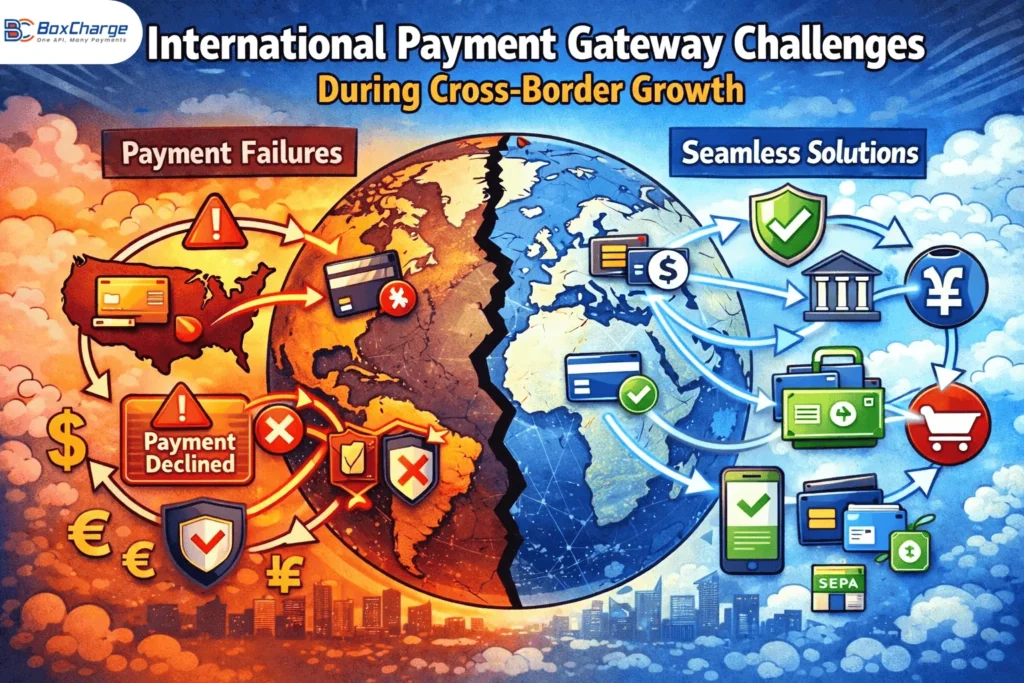
Why International Payment Gateways Break During Cross-Border Growth

International expansion is often framed as a marketing or logistics challenge. In reality, payments are the first system to break when a business scales across borders. A gateway that performs flawlessly in one country can quietly fail in another — not because of volume, but because payments are local by nature. Consumer behavior, banking infrastructure, regulations, and fraud patterns vary sharply by region. For global merchants — especially those operating in high-risk or regulated industries — this disconnect results in: This article explains why international payment gateways fail during cross-border growth, using real-world examples from Germany, the USA, the UK, Gulf countries, and Japan, and how specialized payment gateway solution providers, such as BoxChrge, solve these failures at scale. The Core Problem: Global Ambition, Local Payments Reality Most international gateways are built on a centralized card-processing model. They assume that: That assumption breaks the moment a business expands. Cross-border payment success depends on local trust signals, local payment preferences, and region-specific risk logic — not just global card access. Germany: Where Card-First Gateways Lose Trust Germany is one of Europe’s largest e-commerce markets, yet it consistently underperforms for merchants using card-centric gateways. Where Gateways Break German consumers prefer bank-based payments over card-based payments due to cultural trust in domestic banking systems and stringent consumer protection regulations. Gateways that prioritize Visa and Mastercard experience: Payment Methods That Actually Convert Real Experience One of our clients was expanding a European subscription platform into Germany, and saw that conversion rates were nearly 35% lower than in France and the Netherlands — despite identical pricing and marketing. After enabling local bank-based payment methods and localized checkout flows through a regional payment partner, German conversions increased by over 28% within two billing cycles. Key takeaway: In Germany, trust beats convenience. If payments don’t look local, users don’t complete checkout. United States: High Volume, High Decline, High Chargeback Risk The U.S. appears card-friendly, but it is one of the most complex payment environments globally. Where Gateways Break Many international gateways either over-filter transactions (causing false declines) or under-filter them (triggering monitoring programs). What Works in the U.S. Market Real Experience A cross-border digital services provider processing U.S. transactions experienced an 18% false decline rate for legitimate customers outside North America. By implementing region-aware fraud logic and adaptive routing via a specialized gateway: Key takeaway: In the U.S., success depends on risk intelligence, not just payment access. United Kingdom: Open Banking Is No Longer Optional The UK has rapidly evolved beyond card-only payments. Where Gateways Break Gateways that fail to support Open Banking and wallet-first experiences struggle with: Payment Methods That Perform Real Experience A UK-based SaaS platform saw recurring payment failures spike after regulatory changes tightened SCA enforcement. After integrating Open Banking flows and local retry logic, the business reduced involuntary churn by 14% within one quarter. Key takeaway: In the UK, modern payments mean bank-first, mobile-first, and regulation-aware. Gulf Countries (GCC): Wallet-Driven, Trust-Sensitive Markets Markets like Saudi Arabia, UAE, and Qatar are digitally advanced but behave very differently from Western economies. Where Gateways Break Customers hesitate when payment methods feel “foreign,” even if the brand is trusted. What Converts in the GCC Real Experience An e-commerce merchant targeting Saudi Arabia experienced over 30% checkout abandonment when only cards were offered. After enabling regional wallets and local currency display through a specialized payment gateway: Key takeaway: In the GCC, local familiarity drives conversion more than global branding. Japan: One of the Most Misunderstood Payment Markets Japan is frequently misclassified as a card-dominant market. It is not. Where Gateways Break Western gateways often fail because they don’t support Japan’s unique hybrid system of offline and digital payments. Preferred Payment Methods Real Experience A digital entertainment company launching in Japan initially saw conversion rates less than half of expectations. After integrating Konbini and local wallet payments: Key takeaway: In Japan, payment flexibility matters more than speed. Common Reasons International Payment Gateways Fail Across all regions, failing gateways share the same weaknesses: These weaknesses compound as transaction volume increases. What a True Cross-Border Payment Gateway Must Deliver A scalable international payment gateway solution must operate on a “glocal” model — global infrastructure with local execution. Core Capabilities Required This is especially critical for merchants in high-risk categories, where tolerance for error is low and regulatory scrutiny is high. How BoxCharge Solves Cross-Border Payment Failures BoxCharge is built specifically for international and high-risk payment processing, not as a generic gateway reseller. What Makes BoxCharge Different Case Study: Global Subscription Business After switching to BoxChrge: Key Features High-Growth Merchants Should Demand Capability Why It Matters Local payment methods Drives trust and conversion Multi-currency pricing Reduces friction at checkout Dynamic fraud controls Prevents false declines Chargeback management Protects merchant accounts High-risk specialization Ensures account longevity Final Takeaway International growth does not fail because of demand — it fails because payments don’t adapt. Gateways designed for domestic processing often struggle to support the complexity of cross-border transactions, particularly in regulated or high-risk industries. Merchants that succeed globally treat payments as a strategic infrastructure decision, not a backend utility. Request a Cross-Border Risk Audit with BoxChrge If your business is expanding internationally and experiencing: BoxCharge can help. 👉 Request a Cross-Border Risk Audit for your specific region and discover how localized payment strategies can unlock sustainable global growth. Disclaimer: Data based on BoxCharge internal processing trends and regional banking reports from Q4 2025.

Why International Payment Gateways Break During Cross-Border Growth Read Post »

Scroll to Top