Chargebacks in High-Risk Businesses: The Hidden Role of Billing Descriptors
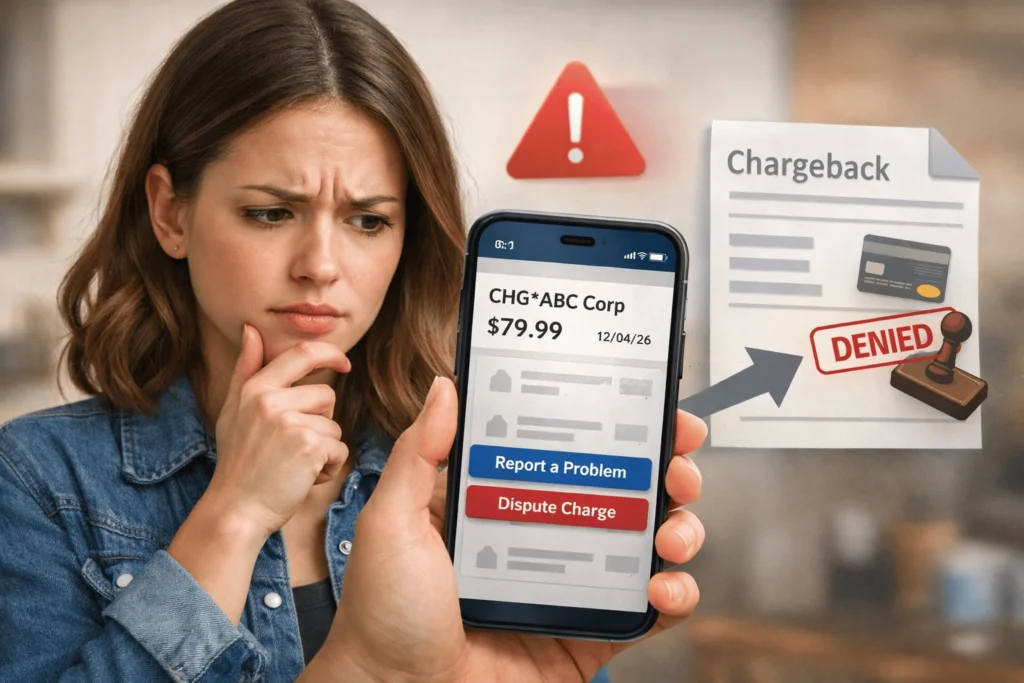
Chargebacks are usually treated as a fraud problem. When Billing Descriptors in High-Risk Payment rise, merchants rush to review traffic sources, tighten fraud filters, or restrict payment methods. While those steps matter, they often miss a quieter issue that sits much closer to the customer experience. Billing descriptors. For many high-risk businesses, chargebacks don’t start with fraud or dissatisfaction. They start with confusion—right on a customer’s bank statement. As explained in , “Why International High-Risk Payment Processing Is Harder Than Ever as We Approach 2026,” blog, modern payment ecosystems are more complex, layered, and sensitive than ever before. In this environment, small details that were once overlooked can now directly affect approval rates, dispute ratios, and long-term account stability. Billing descriptors are one of those details. What Billing Descriptors Actually Do A billing descriptor is the text that appears on a customer’s card statement after they accept payment online. It usually includes a business name, location, or support reference. For customers, this is their primary point of recognition. It’s a dispute trigger for banks For merchants, it’s often an afterthought. In a perfect world, customers instantly recognize every charge. In reality, transactions are often delayed, routed through an international payment gateway, or processed under a legal entity name that doesn’t match the brand customers remember. That gap creates risk. Why Billing Descriptors Matter More in High-Risk Payment Processing High-risk payment processing comes with longer dispute windows, higher scrutiny, and less tolerance for ambiguity. When a customer doesn’t recognize a charge, their first instinct is rarely to contact the merchant. They contact their bank. This is especially common in: These industries often involve: Each factor increases the chance of descriptor confusion. A Real-World Scenario Merchants Overlook Consider a gaming platform processing internationally. The customer signs up under a brand name they remember clearly. Weeks later, a charge appears under a shortened legal entity name, processed through a different country. Nothing about the transaction is fraudulent. Nothing about the service is wrong. But the descriptor doesn’t match the memory. The customer files a dispute. The bank categorizes it as “No Recognition.” The chargeback hits the merchant’s online merchant account—despite the service being delivered as promised. Multiply this by hundreds of transactions, and the impact becomes serious. Why Clean Merchants Still Struggle With Chargebacks Many merchants assume that a clean compliance record or low fraud rate will protect them. In reality, billing descriptors operate independently of those metrics. Even well-managed high-risk merchant accounts experience elevated disputes due to: From a bank’s perspective, disputes driven by confusion are still disputes. How Billing Descriptors Affect Banking Risk Models Banks and acquiring partners don’t just look at chargeback volume. They analyze dispute reasons. High volumes of “Unrecognized Transaction” disputes signal: In 2026, these signals matter more than ever. Acquirers managing high-risk payment gateways often apply stricter reserve requirements or monitoring when descriptor-related disputes rise—even if fraud levels remain low. This is why descriptor quality directly influences: The Global Payments Complication For businesses operating with global payment processing, billing descriptors become even more complex. Different acquiring banks may: When descriptors vary across regions, customer recognition drops. This creates uneven dispute patterns that are difficult to diagnose unless merchants actively monitor descriptor performance. Credit Cards Aren’t the Only Answer. Why? Many merchants focus entirely on optimizing their credit card payment solution, assuming cards are unavoidable. While cards remain essential, over-reliance increases exposure. Merchants who integrate Alternative Payment Methods—such as local bank transfers or region-specific wallets—often see lower confusion-based disputes. These methods provide clearer transaction records and reduce dependence on card network interpretation. A modern international payment gateway supports this flexibility by routing customers toward the most transparent option for their region. Designing Descriptors as Part of Risk Strategy Billing descriptors should be treated as part of a broader High Risk Business Processing strategy—not a technical checkbox. Best practices include: Merchants who take this approach don’t eliminate chargebacks—but they reduce unnecessary ones. The Role of Specialized Payment Providers Not all providers give merchants control over descriptors. Generic processors often limit customization, especially for high-risk industries. Providers experienced in high-risk merchant account structuring understand how descriptor clarity affects downstream banking decisions. Platforms like BoxCharge help merchants align descriptors, processing routes, and settlement structures to reduce friction—not just secure approvals. This alignment becomes especially important as banks grow less tolerant of avoidable disputes. Rethinking Chargebacks in 2026 Chargebacks are no longer just a fraud metric. They are a communication signal. In a payments environment shaped by regulatory pressure, correspondent banking risk, and global complexity, small misunderstandings scale quickly. Billing descriptors sit at the intersection of customer trust and bank risk models. Merchants who treat them strategically gain an advantage that isn’t immediately visible—but compounds over time. Final Thoughts Chargebacks in high-risk businesses don’t always point to bad customers or bad actors. Often, they reveal gaps in how transactions are presented and understood. Billing descriptors won’t solve every dispute. But ignoring them guarantees unnecessary exposure. In a world where payment stability is harder to maintain, clarity is one of the few variables merchants can still control. And in high-risk payment processing, control matters more than ever.
Chargebacks in High-Risk Businesses: The Hidden Role of Billing Descriptors Read Post »